Blog
Digital Detox in the Sahara Desert: Reconnect With Yourself in Morocco
In today’s fast-moving world, many travelers are searching for something deeper than sightseeing. Endless notifications, social media, and screen time leave us mentally exhausted and disconnected from nature, from others, and from ourselves. A digital detox in the Sahara Desert offers the perfect escape — a chance to slow down, breathe deeply, and experience life in its simplest and most meaningful form.
The Moroccan Sahara is one of the best places in the world for a true digital detox retreat. Far from crowded cities and constant online distractions, the desert invites you to reconnect with silence, nature, and authentic Berber culture.
Why Choose the Sahara Desert for a Digital Detox?
The Sahara Desert is more than just dunes and camel rides. It is a place of peace, simplicity, and reflection. In the remote desert regions of southern Morocco, phone signals disappear, time slows down, and the rhythm of life becomes natural again.
Imagine waking up to the sunrise over golden dunes, drinking traditional mint tea with Berber nomads, and spending evenings around the fire under a sky full of stars. Without screens and digital noise, your senses become sharper, your mind calmer, and your sleep deeper.
A Sahara digital detox experience helps travelers:
- Reduce stress and anxiety
- Improve mental clarity
- Sleep better naturally
- Reconnect with nature
- Practice mindfulness and meditation
- Experience authentic human connection
- Discover traditional Berber nomadic life
Authentic Berber Life in the Moroccan Sahara
One of the most powerful parts of a desert detox retreat is the connection with local Berber communities. For centuries, Berber nomads have lived in harmony with the desert, following a simple lifestyle centered around hospitality, family, music, and nature.
Traveling through the Draa Valley and the Sahara with local Berber guides allows visitors to experience a different way of living — one that values presence instead of constant productivity.
You may share homemade meals cooked over fire, learn traditional bread baking in the sand, listen to nomadic music, or walk peacefully across dunes with camels. These moments create unforgettable memories that no screen can replace.
The Healing Power of Desert Silence
The silence of the Sahara is unlike anywhere else in the world. Many travelers describe it as healing. Without traffic, alarms, or digital distractions, the mind finally has space to rest.
Walking barefoot on warm sand dunes, meditating at sunrise, or simply watching the stars can become deeply transformative experiences. The desert naturally encourages mindfulness and inner peace.
For yoga retreats, meditation journeys, or wellness travel in Morocco, the Sahara Desert offers an ideal environment to disconnect from technology and reconnect with yourself.
Best Activities for a Sahara Digital Detox Retreat
A digital detox in Morocco can include many authentic and wellness-focused experiences:
- Camel trekking across Sahara dunes
- Wild camping under the stars
- Yoga and meditation sessions
- Hiking in the Draa Valley
- Traditional Berber cooking
- Stargazing in the desert
- Journaling and mindfulness practices
- Visiting remote nomadic villages
- Watching sunrise and sunset in silence
These experiences help travelers slow down and appreciate simple moments again.
When Is the Best Time to Visit the Sahara Desert?
The best seasons for a Sahara Desert retreat are autumn and spring, when temperatures are pleasant during the day and cool at night. Winter is also beautiful for trekking and camping, especially for travelers who enjoy peaceful desert landscapes and clear starry skies.
Summer can be very hot in southern Morocco, but some travelers still choose this period for shorter retreats and deep solitude.
A Journey That Changes You
Many people come to the Sahara Desert looking for adventure, but leave with something much more meaningful — clarity, peace, and a renewed connection to life.
A digital detox in the Moroccan Sahara is not only a holiday; it is a journey back to simplicity. Whether you travel alone, with friends, or as part of a wellness retreat, the desert has a unique way of helping people slow down, reflect, and feel present again.
If you are searching for an authentic escape from modern life, the Sahara Desert of Morocco may be exactly what you need.
FAQ – Digital Detox in the Sahara Desert
Is there internet in the Sahara Desert?
In many remote desert areas, internet and phone signals are limited or unavailable, making the Sahara an ideal destination for a true digital detox experience.
What should I bring for a desert retreat?
Comfortable clothing, walking shoes, sunscreen, a scarf, a journal, and an open mind are the most important things to bring.
Is a Sahara Desert detox suitable for beginners?
Yes. Most desert retreats are designed for all travelers, including beginners with no trekking or camping experience.
Can I combine yoga and meditation with a Sahara tour?
Absolutely. Many Morocco desert retreats combine yoga, meditation, mindfulness, and authentic Berber cultural experiences.
Which part of the Moroccan Sahara is best for a digital detox?
Regions near the Draa Valley, Zagora, Mhamid, and the wild dunes of Erg Chigaga are among the best places for peaceful and authentic desert experiences in Morocco.
Digital Detox in the Sahara Desert Morocco | Authentic Berber Retreat
Looking for a true escape from modern life? A digital detox in the Sahara Desert of Morocco offers a unique opportunity to disconnect from screens, social media, and daily stress while reconnecting with nature, silence, and authentic Berber culture.
Far from busy cities and constant notifications, the Moroccan Sahara is one of the best destinations for a wellness retreat, mindfulness journey, or peaceful adventure travel experience. In the heart of the desert, surrounded by golden dunes and star-filled skies, travelers can slow down, breathe deeply, and experience life differently.
Why Choose a Digital Detox in Morocco?
Today, many travelers are searching for meaningful experiences instead of traditional vacations. A Sahara Desert retreat allows you to leave behind technology and enjoy simple moments that bring clarity and balance.
The silence of the Sahara helps reduce stress, improve sleep, and create a deeper connection with yourself and the natural world. Without distractions, every experience becomes more intense and memorable — from sunrise over the dunes to evenings around the fire with Berber nomads.
Authentic Berber Experience in the Sahara Desert
Southern Morocco is home to ancient Berber communities that have lived in harmony with the desert for centuries. During your digital detox retreat, you can discover authentic nomadic traditions, local hospitality, and the peaceful rhythm of desert life.
Travelers may enjoy:
- Camel trekking in the Sahara Desert
- Sleeping in traditional desert camps
- Meditation and yoga in nature
- Hiking in the Draa Valley
- Stargazing in the Moroccan desert
- Traditional Berber music and food
- Visiting nomadic villages in southern Morocco
These experiences create a deeper cultural connection and help travelers fully disconnect from the digital world.
Best Places for a Sahara Digital Detox
The best destinations for a digital detox in Morocco include:
- Zagora Desert
- Mhamid El Ghizlane
- Erg Chigaga dunes
- Draa Valley
- Southern Morocco nomadic regions
These remote areas offer peaceful landscapes, beautiful dunes, and authentic desert experiences far from mass tourism.
Benefits of a Sahara Wellness Retreat
A digital detox retreat in the Moroccan Sahara can help you:
- Reduce anxiety and mental fatigue
- Improve focus and mindfulness
- Reconnect with nature
- Experience authentic Berber culture
- Enjoy deep relaxation and silence
- Take a break from social media and technology
The desert environment naturally encourages calmness, reflection, and personal renewal.
Best Time to Visit the Sahara Desert Morocco
The best months for a Sahara Desert retreat are from October to April, when temperatures are comfortable for trekking, camping, and outdoor activities. Spring and autumn are especially popular for yoga retreats and wellness travel in Morocco.
Experience the Magic of the Sahara
A digital detox in the Sahara Desert is more than a vacation — it is a transformative journey. Whether you are looking for peace, adventure, mindfulness, or authentic cultural experiences, the Moroccan desert offers a unique escape from the modern world.
Discover the beauty of silence, the warmth of Berber hospitality, and the unforgettable landscapes of the Sahara Desert Morocco.
digital detox Morocco, Sahara Desert retreat, Morocco wellness retreat, Berber desert experience, Sahara yoga retreat, camel trekking Morocco, desert camping Morocco, Zagora desert tour, Erg Chigaga dunes, mindfulness retreat Morocco, Draa Valley travel, authentic Sahara experience, nomadic life Morocco, Morocco desert adventure, meditation retreat Sahara
Sahara Desert Morocco: A Complete Travel Guide for First-Time Visitors
Why the Sahara Desert in Morocco Should Be on Your Bucket List
The Sahara Desert is one of the most breathtaking places on Earth. Located in southeastern Morocco, it offers travelers a unique mix of adventure, culture, and natural beauty. From golden sand dunes to star-filled skies, the Moroccan Sahara is a destination like no other.
Whether you’re starting your journey from Marrakech or exploring deeper into the south, a desert tour is an experience you will never forget.
Where Is the Sahara Desert in Morocco?
The most popular desert regions in Morocco are:
- Merzouga (Erg Chebbi dunes) – Famous for its high dunes and easy access
- Erg Chegaga – Remote, wild, and less crowded
- Zagora – Closest desert from Marrakech
Each destination offers a different type of Sahara experience, depending on your time and travel style.
How to Get to the Sahara Desert from Marrakech
Most travelers begin their desert adventure from Marrakech. The journey itself is part of the experience.
Popular Routes:
- Marrakech → Ait Ben Haddou → Ouarzazate → Merzouga (3 days)
- Marrakech → Draa Valley → Zagora → Erg Chegaga (3–4 days)
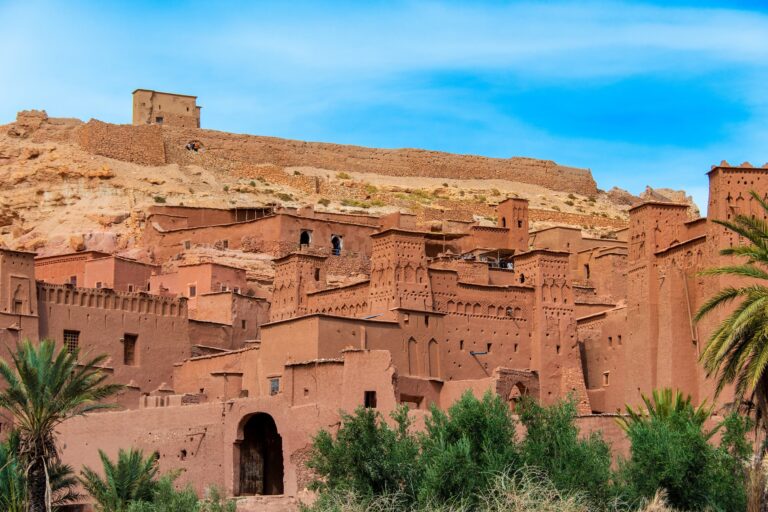
Along the way, you’ll cross the High Atlas Mountains, visit ancient kasbahs, and discover hidden Berber villages.
Top Things to Do in the Sahara Desert
1. Camel Trekking Across the Dunes
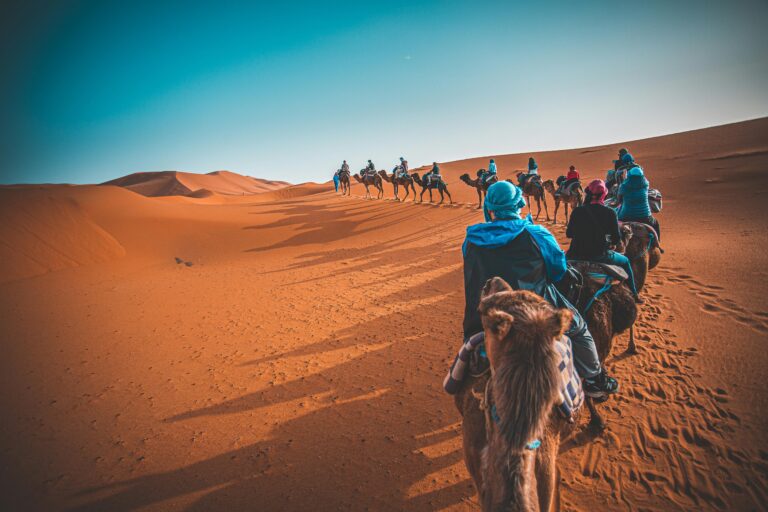
No Morocco desert tour is complete without a camel ride. Travel like the nomads and watch the sunset over the golden dunes of Erg Chebbi or Erg Chegaga.
2. Sleep in a Desert Camp
Spend the night in a traditional Berber camp. Enjoy local food, music around the fire, and a sky full of stars — far from city lights.
3. Berber Culture
Meet local nomads, learn about their traditions, and experience authentic hospitality. This is what makes traveling with Walk With Berbers truly special.
4. Watch Sunrise Over the Sahara
Waking up early in the desert is worth it. The sunrise over the dunes is one of the most magical moments you’ll ever witness.
Best Time to Visit the Sahara Desert
The ideal months to visit are:
- Spring (March to May)
- Autumn (September to November)
During these periods, temperatures are comfortable for exploring. Summer can be extremely hot, while winter nights can be cold but peaceful.
What to Pack for a Sahara Desert Tour
Here are some essentials for your trip:
- Lightweight clothes for the day
- Warm jacket for the night
- Sunglasses and sunscreen
- Scarf or turban for sand and wind
- Comfortable walking shoes
Why Book with Walk With Berbers?
At Walk With Berbers, we don’t just offer tours — we offer authentic experiences. As a local, family-run company based in the Sahara, we provide:
- Real connection with Berber culture
- Expert local guides
- Flexible and private desert tours
- Unique trekking and nomadic experiences
We take you beyond the typical tourist route and into the heart of the desert.
Final Thoughts: Is the Sahara Desert Worth It?
Absolutely. A trip to the Sahara Desert in Morocco is more than just a holiday — it’s a life experience. From the silence of the dunes to the warmth of Berber hospitality, every moment stays with you forever.
If you’re planning your Morocco adventure, make sure the Sahara is part of your journey.
Nomadic Berbers of the Sahara: Keepers of Ancient Traditions
Deep in the vast dunes of the Sahara Desert in Morocco lives a culture that has survived for centuries — the nomadic Berbers, also known as Amazigh people. These desert inhabitants are the true guardians of Sahara traditions, living in harmony with one of the harshest environments on Earth.
Unlike modern city life in Marrakech, nomadic families move across the desert depending on the seasons, water sources, and grazing lands for their animals. Their lifestyle is simple, yet deeply connected to nature, built on knowledge passed down through generations.
A Way of Life Guided by the Desert
Nomadic Berbers rely on experience, instinct, and tradition to survive in the Sahara. They travel with camels, goats, and sheep, setting up temporary camps as they move through regions like Erg Chegaga and the vast Draa Valley.
Their daily life includes:
- Preparing traditional meals over open fire
- Navigating the desert without modern tools
- Crafting tents and tools from natural materials
- Sharing stories, music, and oral history
Hospitality is at the heart of Berber culture. Visitors are always welcomed with mint tea, fresh bread, and warmth — even in the most remote areas.
Travel Like a Nomad with Walk With Berbers
One of the most unique experiences you can have in Morocco is to walk alongside nomadic Berbers. At Walk With Berbers, we offer authentic trekking experiences that allow you to:
- Follow ancient caravan routes across the Sahara
- Spend time with real nomadic families
- Learn traditional survival skills
- Sleep under the stars or in nomadic tents
- Disconnect from modern life and reconnect with nature
This is not just a tour — it’s a cultural journey into a disappearing way of life.
Why This Experience Is So Special
In today’s fast-paced world, the nomadic lifestyle offers something rare: simplicity, freedom, and deep human connection. Walking with nomadic Berbers in the Sahara Desert helps you slow down, appreciate the present moment, and see life from a completely different perspective.
It’s an experience that many travelers describe as life-changing.
Preserving Berber Heritage
At Walk With Berbers, we are proud to support and preserve the traditions of nomadic life in Morocco. By traveling with local guides and communities, you contribute directly to sustaining this unique culture for future generations.
Who Are the Berbers (Amazigh People)?
The Berbers—who call themselves Amazigh (meaning “free people”)—are the indigenous people of North Africa. Their history goes back thousands of years, long before the arrival of Arabs in the region. Today, Amazigh communities live across countries like Morocco, Algeria, Tunisia, Libya, and parts of the Sahara.
Origins and History
The Amazigh people have inhabited North Africa since ancient times, with roots stretching back to prehistoric civilizations. They played important roles in major historical periods, including the time of the Phoenicians, Romans, and later Islamic empires.
Despite many influences over the centuries, Amazigh people have preserved their identity, traditions, and language.
Language and Culture
Amazigh people speak Tamazight, a group of related languages that are still widely used today, especially in rural and mountain areas of Morocco. The language even has its own alphabet called Tifinagh.
Their culture is rich in:
- Music and traditional dances
- Handcrafted art like carpets and jewelry
- Oral storytelling and poetry
- Strong family and community values
Where Do Berbers Live in Morocco?
In Morocco, Amazigh communities are mainly found in:
- The Atlas Mountains
- The Rif Mountains
- The Sahara Desert
In the desert regions near places like Erg Chegaga and the Draa Valley, many Amazigh families traditionally lived as nomads, moving across the land with their animals.
Nomadic Berbers of the Sahara
Some Amazigh groups became nomadic, adapting perfectly to life in the Sahara. They traveled with camels, following water sources and trade routes across the desert.
Their lifestyle was based on:
- Simplicity and survival skills
- Deep knowledge of the desert
- Hospitality and generosity
- Strong connection to nature
Even today, some families continue this way of life, while others have settled in villages but still maintain their traditions.
Berbers in Modern Morocco
Today, Amazigh culture is an important part of Moroccan identity. The Amazigh language is officially recognized, and traditions are proudly celebrated across the country—from villages to cities like Marrakech.
Why It Matters for Travelers
Understanding who the Berbers are adds a deeper meaning to your journey in Morocco. When you travel with local guides or visit desert communities, you’re not just seeing landscapes—you’re connecting with one of the oldest living cultures in the world
Who Are the Berbers (Amazigh People)?
The Berbers—who call themselves Amazigh (meaning “free people”)—are the indigenous people of North Africa. Their history goes back thousands of years, long before the arrival of Arabs in the region. Today, Amazigh communities live across countries like Morocco, Algeria, Tunisia, Libya, and parts of the Sahara.
Origins and History
The Amazigh people have inhabited North Africa since ancient times, with roots stretching back to prehistoric civilizations. They played important roles in major historical periods, including the time of the Phoenicians, Romans, and later Islamic empires.
Despite many influences over the centuries, Amazigh people have preserved their identity, traditions, and language.
Language and Culture
Amazigh people speak Tamazight, a group of related languages that are still widely used today, especially in rural and mountain areas of Morocco. The language even has its own alphabet called Tifinagh.
Their culture is rich in:
- Music and traditional dances
- Handcrafted art like carpets and jewelry
- Oral storytelling and poetry
- Strong family and community values
Where Do Berbers Live in Morocco?
In Morocco, Amazigh communities are mainly found in:
- The Atlas Mountains
- The Rif Mountains
- The Sahara Desert
In the desert regions near places like Erg Chegaga and the Draa Valley, many Amazigh families traditionally lived as nomads, moving across the land with their animals.
Nomadic Berbers of the Sahara
Some Amazigh groups became nomadic, adapting perfectly to life in the Sahara. They traveled with camels, following water sources and trade routes across the desert.
Their lifestyle was based on:
- Simplicity and survival skills
- Deep knowledge of the desert
- Hospitality and generosity
- Strong connection to nature
Even today, some families continue this way of life, while others have settled in villages but still maintain their traditions.
Berbers in Modern Morocco
Today, Amazigh culture is an important part of Moroccan identity. The Amazigh language is officially recognized, and traditions are proudly celebrated across the country—from villages to cities like Marrakech.
Why It Matters for Travelers
Understanding who the Berbers are adds a deeper meaning to your journey in Morocco. When you travel with local guides or visit desert communities, you’re not just seeing landscapes—you’re connecting with one of the oldest living cultures in the world
Sahara Desert Trekking: Walk the Ancient Nomad Routes
One of the most authentic ways to experience the Sahara Desert in Morocco is through Sahara desert trekking. Unlike classic tours by vehicle, trekking allows you to slow down and truly connect with the landscape, the silence, and the rhythm of the desert.
Following ancient caravan paths once used by nomadic traders, you’ll walk across golden dunes and vast open plains near regions like Erg Chegaga and the scenic Draa Valley.
What to Expect on a Sahara Trekking Experience
A typical Morocco desert trekking tour is designed for comfort, authenticity, and adventure. You don’t need to be an expert hiker — most treks include 2 to 3 hours of walking per day, making it accessible for most travelers.
Your daily experience includes:
- Guided walks with experienced Berber nomads
- Camels carrying luggage and equipment
- Freshly prepared traditional meals in the desert
- Tea breaks under the open sky
- Overnight stays in desert camps or under the stars
This type of Sahara adventure travel offers a peaceful escape from modern life.
Why Choose Desert Trekking in Morocco?
Choosing a Morocco Sahara trekking experience gives you something deeper than a standard tour:
- Authentic cultural immersion with Amazigh (Berber) nomads
- Eco-friendly travel with minimal environmental impact
- Off-the-beaten-path routes
- Digital detox in one of the quietest places on Earth
It’s ideal for travelers looking for Morocco adventure tours, Sahara walking tours, or unique desert experiences.
Best Time for Sahara Desert Trekking
For the best Sahara trekking Morocco experience, plan your trip during:
- Spring (March–May)
- Autumn (September–November)
These seasons offer perfect temperatures for walking and camping in the desert.
A Life-Changing Sahara Experience
Trekking in the Sahara Desert in Morocco is not just a physical journey — it’s a mental and spiritual experience. Walking alongside nomadic Berbers, Marrakech, you begin to appreciate simplicity, silence, and connection.
Many travelers describe it as one of the most meaningful experiences of their lives
watch this for more information :